Exercise after pregnancy
Please see Physical Recovery Day 1 - 7 | Frimley Maternity Health and Care for further advice and exercises
A gradual return to exercise after birth is recommended but it should not involve high-impact exercises or sit-ups too quickly, to allow your stomach and pelvic floor muscles to recover. See here for more information about pelvic floor exercises.
See our postnatal videos for exercises that are safe during the initial post-partum period and then progress to exercises suitable after your 6-8 week GP check...
When the time is right for you, there is a lot you can do to aid your physical recovery from pregnancy and birth. Start slowly and gradually build up as you feel able. Your physical recovery will take time.
Benefits of physical activity include:
- Improving your fitness
- Time for yourself
- Improving your mood
- Improving your sleep
- Controlling your weight
- Strengthening the pelvic floor and abdominal muscles to prevent problems in the future such as urinary or bowel leakage, vaginal heaviness, low back or pelvic girdle pain.
Before starting low impact exercises, such as a pilates/yoga class, swimming, or cycling, wait until at least 6 weeks after your birth to ensure healing and vaginal bleeding have stopped.
Remember that the hormonal changes that begin in pregnancy still affect your ligaments and joints for 6 months or more postnatally. Ensure that you have comfortable supportive clothes and bra when exercising and are well hydrated, especially if you are breastfeeding.
Listen to your body and reduce activity if you have any concerns regarding urinary or faecal leakage (incontinence), vulval heaviness/aching, a division or gap in your tummy muscle (diastasis recti), or ongoing low back or pelvic pain before seeking further medical advice from your healthcare professional such as; GP, midwife, health visitor or pelvic health specialist physiotherapist.
These videos have been designed for you to begin when comfortable after the birth and can be done in your own home...
Pilates - Lying
Beginners Pilates Crook Lying on your back
Crook beginners Pilates 3 bridge & knee roll
A mixed exercise set suitable for after your 6/8 week GP check
All 4's
Pilates - Sitting on a ball or chair
Beginners Pilates - Side-Lying
Beginners HIIT
Intermediate HIIT
Advance HIIT
Pilates - Seated Flexibility
Pilates - Long sitting
Pilates - Cool down lying stretches
Pilates - Relaxation and breathing
Here is a video from England's Chief Medical Officer about exercise following the birth of your baby.
Dos |
Don'ts |
|
Follow our x 3 postnatal videos for post-partum advice including starting pelvic floor exercises- aiming for: 10 seconds x 10 reps x 3+ a day when comfortable |
Don’t ignore aching/leakage symptoms as they warn you not to over-do-it |
|
Gradually build-up your activity starting with low impact exercises such as walking, cycling, swimming & mat-based classes and our videos |
Never push through pain- seek advice from your healthcare professional |
|
Wear a supportive bra and footwear when exercising |
Don’t forget to replace your fluids by having a drink’s bottle handy |
|
Try and achieve ideal posture |
Don’t worry if its only 5-10 minutes at a time |
|
Start with a warm-up and finish with cool down stretches |
Don’t strain your stomach/ abdominals or pelvic floor muscles by avoiding the plank and sit-ups. Instead try building up core strength with our postnatal programme of Pilates, before trying our Hiit work-out. |
|
Check if you have any symptoms up to 2 days after an exercise session |
|
For guidance as to when to return to running try reading this guide and more useful information about returning to running can be found here.
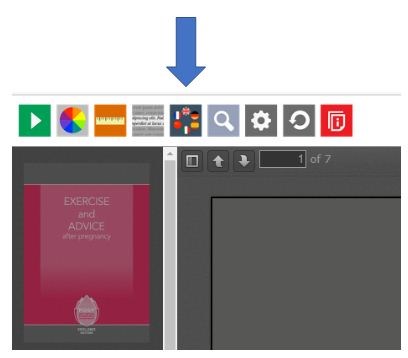
For support in other languages, and other accessibility visit Pelvic Obstetric and Gynaecology Physiotherapy and follow the steps illustrated below...
1)

2)
For further resources please see the link below:
Further resources
NO LICENSE
This booklet contains guidance on safe exercise after pregnancy.
NO LICENSE
This booklet contains a safe set of exercises and advice to help new mothers recover after childbirth.
NO LICENSE
This webpage contains guidance on perineal healing after having a vaginal birth.
NO LICENSE
This webpage contains links to common pregnancy and postnatal topics.
NO LICENSE
Please complete our survey