Reducing your Gestational Diabetes Risk

What is gestational diabetes?
This is usually a temporary form of diabetes that occurs during pregnancy. Up to 90% of women will recover after the delivery of the baby. Diabetes in pregnancy is a result of insulin resistance (an inability of the insulin hormone to work effectively) and the inability to increase production of insulin when the demand increases in pregnancy. There is detailed information here.
Click on the below tabs for more information.
What can I do to reduce my risk of developing gestational diabetes?
We recommend trying the following:
- Managing your weight and avoiding excessive weight gain during pregnancy
- Whilst weight loss during pregnancy is not recommended, it is safe for women with a BMI>30kg/m2 to lose body fat in pregnancy which may occur when making healthy dietary changes, as long as the overall diet is nutritious
- Make dietary changes aiming for weight maintenance
- Eat nutritious foods, reducing the amount of highly processed foods in your diet such as shop bought savoury and sweet treats
- Reduce your sugar intake, such as trying to avoid full sugar fizzy drinks, breakfast cereals coated in sugar/honey, cakes, chocolate, pastries, biscuits and fruit juices.
- Eat fewer carbohydrates and aim for wholemeal, brown or wholewheat seeded options
- Eat more protein such as fish, lean white meats, tofu, eggs, nuts, pulses or unsweetened yogurt
- Aim for healthy fats such as olive/rapeseed/sunflower/coconut oils, avocados, nuts, olives, peanut butter, seeds.
Check out this resource here for over 30 recipes from all over the world that can help to manage or prevent gestational diabetes from the Diabetes UK and the British Heart Foundation.
- Food pairing may help reduce blood glucose levels
- Carbohydrates have the fastest and highest impact on blood glucose levels, with most carbs being broken down into glucose (sugar). To help slow down the release of these sugars into the bloodstream, think about pairing carbs with low fat protein and healthier natural fats to help minimise the peak in blood glucose.
- This may mean, for example, rather than having a whole apple alone, try eating half an apple with some peanut butter.
- Incorporate regular physical activity
- Exercising has an insulin-like effect on cells and helps in lowering blood glucose levels
- Resistance exercise has been shown to have the greatest benefits, but it doesn’t have to be weight lifting (especially if you are not used to it); try resistance bands, light arm and leg weights and any movements such as walking, dancing, or yoga are beneficial. See here for more information about keeping active local to you or if you live in Berkshire, click here.
- Where possible, going for a walk for 20 – 30 minutes after eating can help lower blood glucose levels. This does not have to be a brisk walk outside; even a comfortable stroll, pacing in the home or walking up and down the stairs will be beneficial. This additional resource is a great starting point.
- Consider other lifestyle factors; sleep, hydration
- Drinking enough to stay well-hydrated is very important during pregnancy and even more so if you are at risk of developing diabetes in pregnancy.
Additional Resource Links
| Healthier You. Preventing Diabetes | Click Here (opens in new window) |
| Tasty Recipes when you have Gestational Diabetes | Click Here (opens in new window) |
| This Mum Moves leaflet (Berkshire) | Click Here (opens in new window) |
| Active Partnerships launch in Slough and Wokingham | Click Here (Opens in new window) |
| Get Berkshire Active | Click Here (Opens in new window) |
Does the risk disappear completely after my baby is born?
Approximately half of people who have had Gestational Diabetes will go on to develop Type 2 Diabetes within the next 5-10 years. It is important you have a follow up fasting glucose test 6 -13 weeks after the birth of your baby to exclude diabetes. This will be done at your GP surgery. You will receive a letter asking them to perform the test.
If your blood glucose levels are normal you will still be advised to continue to follow a healthy lifestyle, with a focus on eating nutritious foods, achieving and maintaining a suitable body weight and regularly moving your body.
You will also be offered an annual blood test for life to check that diabetes hasn’t developed as you remain at high risk.
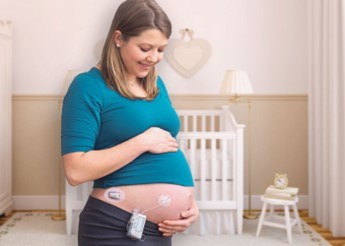
Have you had Gestational Diabetes Before?
If you have had GDM in a previous pregnancy you can refer yourself for the Healthier You NHS Diabetes Prevention Programme:
The Healthier You NHS Diabetes Prevention Programme, also known as the Healthier You programme or DPP, identifies people at risk of developing type 2 diabetes and refers them onto a nine-month, evidence-based lifestyle change programme.
The Healthier You programme is available both as a face-to-face group service and as a digital service. When referred into the programme, people are free to choose between the two.
The face-to-face group service receive personalised support to manage their weight, eat more healthily and be more physically active – which together have been proven to reduce a person’s risk of developing type 2 diabetes.
The digital service offers similar support but through the use of digital tools such as wearable technologies that monitor levels of exercise, apps where users can access health coaches, online peer support groups and the ability to set and monitor goals electronically.
Research shows the Healthier You NHS Diabetes Prevention Programme has reduced new diagnoses of type 2 diabetes in England, saving thousands of people from the potentially serious consequences of the condition. It cuts the risk of developing type 2 diabetes by more than a third for people completing the programme.
How to join the programme?
A history of GDM is the main entry criteria only now to the Diabetes Prevention Program. You can also register whilst pregnant.
If self-registering whilst pregnant, contact will be within 1-month post-partum.
To book a place or ask any questions, call 0333 577 3010. When phoning, the team will ask for:
- History of gestational diabetes / NHS number/ General Medical Practice Code.
Group sessions are held at local, accessible community venues at varying times, including daytimes, evenings, and weekends. Alternatively, you can take part remotely (via a computer/laptop/mobile) via the group or 1:1 digital platform.
Who is most at risk of developing gestational diabetes?
- being overweight or obese (BMI >30kg/m2)
- excessive weight gain during pregnancy
- a previous large baby (weighing 4.5kg/10lb or above)
- previous gestational diabetes
- a family history of diabetes
- A family origin of South Asian, Black Caribbean, Black African, Middle Eastern or Hispanic
- you have had an unexplained stillbirth or neonatal death in a previous pregnancy
- you have Polycystic Ovarian Syndrome (PCOS)
Body Mass Index, which takes into account your height and weight, is used to determine if someone is a healthy weight. For most adults, a BMI of:
- 18.5 – 24.9 – healthy weight
- 25 – 29.9 – overweight
- 30 – 39.9 – obesity
- 40 or above – severely obese
However, BMI is a very crude measure, and is not used on its own to diagnose obesity. Other factors, such as your gender, ethnicity, body composition and age should be taken into account. You can use the NHS BMI calculator to check yours.
Weight gain recommendations during pregnancy (Institute of Medicine, 2009)
- 11-16kg if normal weight for height pre-pregnancy (BMI 18.5 – 24.9 kg/m2)
- 7-11kg if overweight pre-pregnancy (BMI 25-29.9kg/m2)
- 5-9kg if very overweight pre-pregnancy (BMI more than 30kg/m2)
If you have a higher chance of developing diabetes in your pregnancy you will be screened using a glucose tolerance test (GTT) when you are between 24-28 weeks pregnant. A GTT involves fasting overnight (not eating or drinking anything apart from water):
- In the morning, you will have a fasting blood test. You are then given a specific amount of a glucose (sugar) drink.
- 2 hours later the blood test is repeated to see how your body reacts to the glucose drink
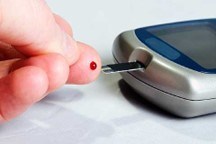
In some cases, finger prick testing can be used to diagnose gestational diabetes
Gestational diabetes is a serious condition that can cause complications; however, the risk of complications is greatly reduced if it is diagnosed and well controlled throughout pregnancy.
If you do have diabetes in pregnancy, you will be looked after by a specialist diabetes team. This will include a diabetologist, obstetrician, diabetes nurse or midwife and dietician. You will also be advised to have some extra scans during pregnancy to check the growth of your baby. Although some women who develop gestational diabetes can control their blood sugars by making changes to their diet, it is quite common to need to take other medication. This might include tablets and/or injections. You will also be advised to measure and record your own blood sugars using a finger prick test.
It is advised to give birth on labour ward with continuous electronic fetal heart rate monitoring if you have gestational diabetes so that your babies health can be carefully observed. Slightly earlier delivery of your baby may also be advised, depending on how your pregnancy has progressed. The timing of your baby’s birth will of course be discussed with you so that you feel fully informed of the reasons for recommendations and feel aware of the range options available to you.
After birth, your baby is more likely to have low blood glucose. Because of this, it is recommended to stay in hospital for a minimum of 12 hours after the baby is born for some extra observations.